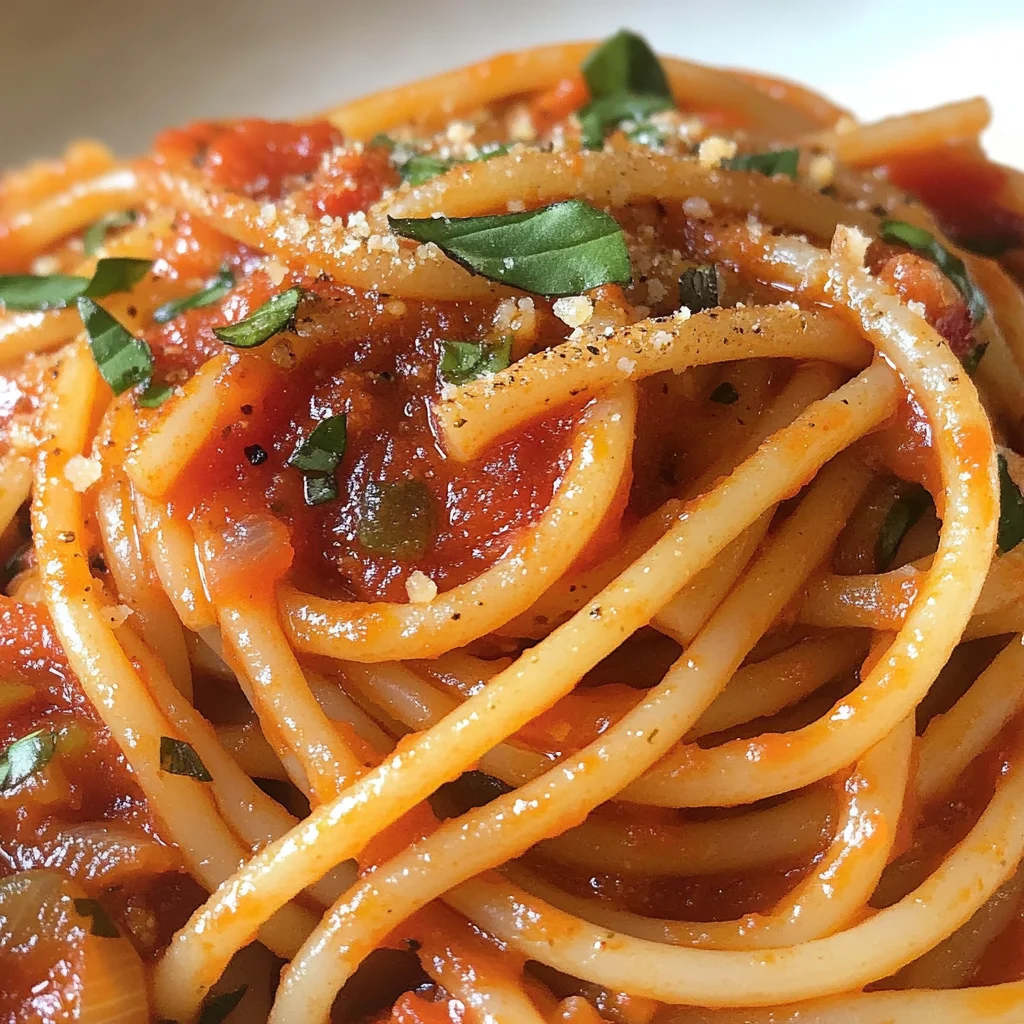
I’ve spent years perfecting my spaghetti sauce recipe, and this one has become a staple in my kitchen. The 130-Year-Old Italian Spaghetti Sauce is an homage to tradition while being incredibly easy to make at home. Through trial and error, I learned how to balance acidity and enhance flavors for a rich, comforting dish. In this article, you’ll find all the tips and tricks you need to recreate this timeless sauce.
Why You’ll Love This Recipe
- Rich Flavor — This sauce develops deep, savory notes that can elevate any pasta dish.
- Simple Ingredients — You likely have most of these items in your pantry already, making it accessible anytime.
- Quick Prep Time — With just a few steps, you can have a delicious homemade sauce in under an hour.
- Customizable — Add your favorite veggies or protein to make it uniquely yours.
- Perfect for Meal Prep — Make a big batch and freeze portions for later meals.
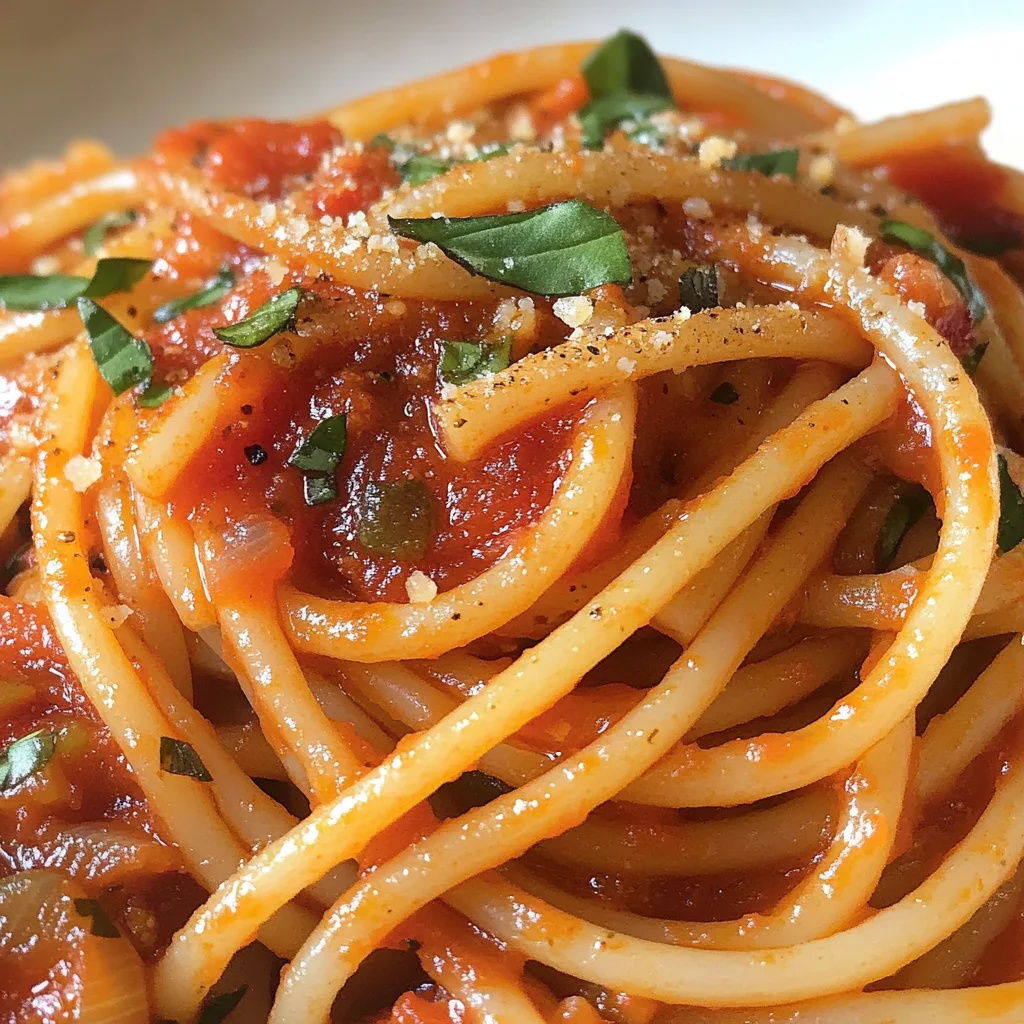
Ingredients You’ll Need
Main Ingredients:
For the 130-Year-Old Italian Spaghetti Sauce, gather the following:
- 4 cups crushed tomatoes — forms the base of the sauce with a rich texture.
- 1 cup diced onion — adds sweetness and depth when sautéed.
- 2 cloves garlic (minced) — enhances flavor with its aromatic qualities.
- 1 tablespoon olive oil — helps with cooking and adds healthy fats.
- 1 teaspoon dried oregano — provides an earthy flavor that complements tomatoes well.
- 1 teaspoon dried basil — contributes a slightly sweet taste that balances the sauce.
- Salt and pepper (to taste) — essential for seasoning; adjust according to preference.
- 1 teaspoon sugar (optional) — can be added to balance acidity from tomatoes.
Smart Substitutions:
- Instead of crushed tomatoes: Use whole canned tomatoes and crush them by hand for texture variation—this gives a chunkier sauce.
- Instead of olive oil: Try avocado oil for a subtle flavor change—it’s also high in monounsaturated fats.
Pro Tip: When shopping for crushed tomatoes, look for brands with no added preservatives to ensure a cleaner flavor.
How to Make 130-Year-Old Italian Spaghetti Sauce
Quick Prep Checklist:
* Dice your onions and mince your garlic before starting.
* Measure out all your ingredients beforehand for efficiency.
Step 1: Sauté Onions
In a large pot, heat the olive oil over medium heat. Add the diced onions and cook until they’re translucent, about 5 minutes. They should be soft but not browned at this point.
Tip: Stir occasionally to prevent them from sticking or burning.
Step 2: Add Garlic
Once the onions are ready, stir in the minced garlic. Cook for another minute until fragrant but be careful not to let it brown—it can become bitter if overcooked.
Watch For: The smell should become aromatic without any browning on the onions or garlic.
Step 3: Combine Tomatoes
Pour in the crushed tomatoes and stir everything together until well mixed. You’ll see the vibrant red color of the tomatoes combined with the sautéed onions and garlic.
You’ll Know It’s Ready When: The mixture starts bubbling gently on low heat after you’ve added all ingredients.
Step 4: Season
Add oregano, basil, salt, pepper, and sugar if desired. Stir well to ensure even seasoning throughout. Let it simmer on low heat for about 30 minutes; stirring occasionally will keep things from sticking.
Avoid letting it boil too vigorously as this can lead to uneven cooking.
Step 5: Final Touches
After simmering time is up, taste your sauce and adjust seasonings as needed—more salt or pepper may enhance it further. If it’s too thick for your liking, add water bit by bit until you reach your desired consistency. Serve immediately over freshly cooked spaghetti or store it away!
✅ Perfect Results Checklist:
* Watch for bubbles forming slowly on top indicating it’s simmering correctly.
* The texture should be smooth but thick enough that it coats pasta nicely.
* Taste should be balanced between savory herbs and natural sweetness from tomatoes.
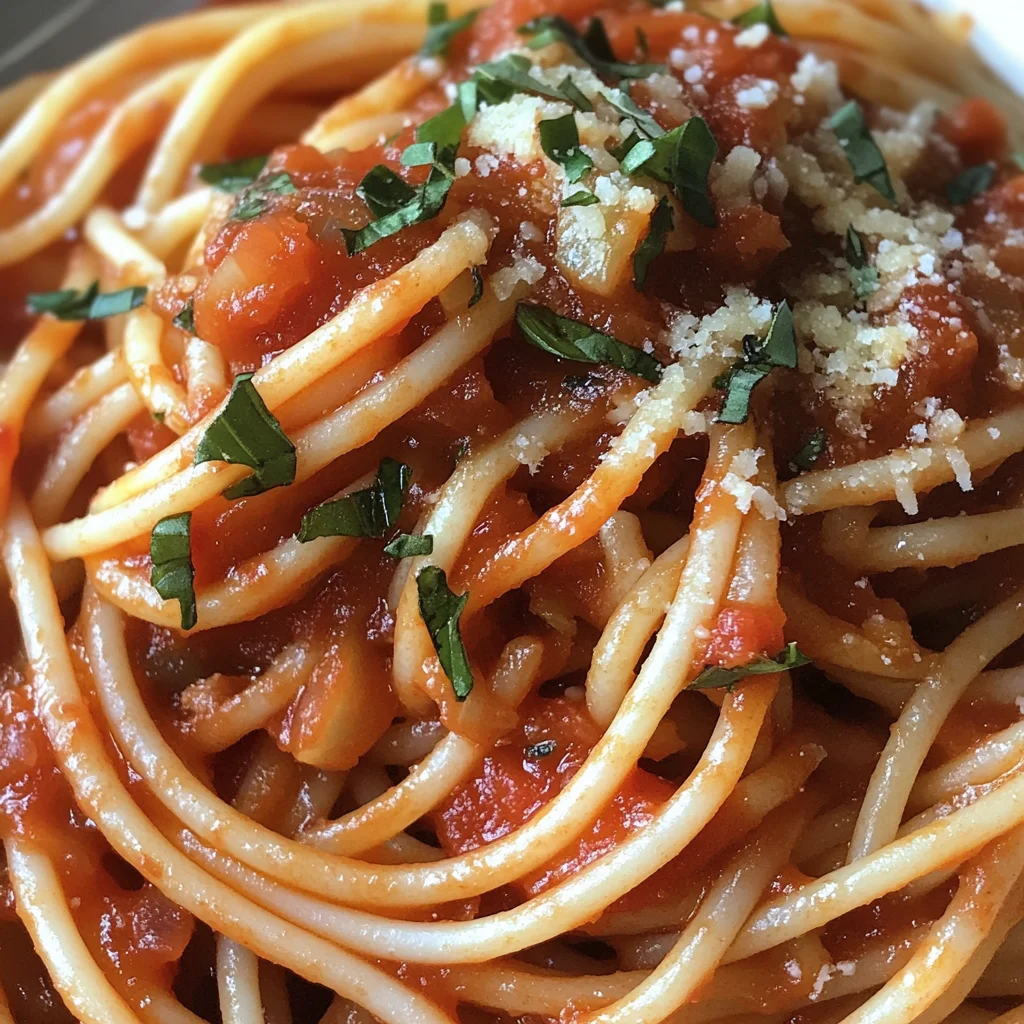
Expert Tips & Variations
3 Pro Tips:
* Simmer Longer: If you have more time, let your sauce simmer longer than 30 minutes; deeper flavors develop over time as everything melds together beautifully.
* Use Fresh Herbs: When available, substitute fresh herbs instead of dried ones—they impart brighter flavors into your batch.
* Control Acidity: If you find it too tangy after cooking, adding more sugar gradually can help balance out those sharp notes effectively.
3 Variations to Try:
* Spicy Kick: Add red pepper flakes during cooking—this will give your sauce a warm heat without overpowering its core flavors.
* Veggie-Packed Version: Toss in finely chopped carrots or bell peppers when sautéing onions—they’ll add nutrition while complementing tomato’s sweetness nicely.
* Meat Lover’s Twist: Brown some ground beef before adding onions; this will create a heartier version that’s filling enough on its own!
Common Mistakes to Avoid
Mistake #1: Overcooked Garlic
I learned the hard way that burning garlic results in bitterness throughout my sauce. Garlic cooks quickly; if left too long on high heat, it turns dark brown fast. Always add garlic after onions are soft but not golden brown.
Mistake #2: Not Simmering Enough
Most home cooks miss that simmering is key for developing flavors fully in sauces like these. Without proper time on low heat post-mixing ingredients together means missing out on complexity within each bite! Allow at least half an hour of gentle bubbling before serving up!
Mistake #3: Skipping Seasoning Adjustments
I often neglected tasting my sauces before serving them—it led me down paths where everything fell flat! Each ingredient impacts overall taste; always adjust seasonings last minute so they shine precisely how desired!
Storage & Reheating
Room Temperature: Let cool completely before leaving out no longer than two hours for safety reasons.
Refrigerator: Store leftovers in airtight containers up to five days max—label dates if necessary!
Freezer: Wrap tightly with freezer-safe wrap or container lasting up three months without freezer burn affecting quality upon thawing!
Reheating:
- Oven: Preheat at 350°F (175°C) baking covered dish around 20–25 minutes restoring moisture beautifully!
- Microwave: Heat at medium power level checking every minute—stirring halfway through ensures even heating!
- Stovetop: Use non-stick pan over low-medium heat covered letting steam build back moisture lost during storage!
Frequently Asked Questions
Can I use fresh tomatoes instead of canned?
Yes! You can use about six fresh Roma or comparable varieties when peeled and chopped down properly—just remember they might require longer cooking time compared against canned options that are already softened pre-cooking!
How do I know when my sauce is done?
You’ll know when everything has melded together well after simmering about thirty minutes; taste test along way ensuring balance among spices present before serving hot atop favorite pasta shape!
Can I make this ahead of time?
Absolutely! This recipe stores nicely either refrigerated up five days or frozen three months allowing flexibility around busy schedules while still enjoying delicious pasta dinners effortlessly later on!
What else can I add into this recipe?
Feel free experimenting by adding veggies such as zucchini cubes/chopped spinach along whatever proteins suit palate best—from chicken ham bits turkey bacon crumbles skimming healthy alternatives without sacrificing quality enjoyed here today!
Final Thoughts
Now you’re ready to create your own version of this classic recipe that’s been cherished across generations. Making homemade spaghetti sauce is within reach—you will enjoy each step along with family gatherings or cozy weeknight dinners alike.
Have fun making this delicious batch of spaghetti sauce today! Leave me a comment below sharing how yours turned out—I love hearing about everyone’s unique twists! Rate ⭐⭐⭐⭐⭐ if enjoyed sharing recipe friends would love too!
Focus keyphrase: 130-Year-Old Italian Spaghetti Sauce
SEO title: Easy Homemade Spaghetti Sauce Recipe: A Timeless Classic (60 characters)
Meta description: Discover how to make simple yet flavorful spaghetti sauce using classic ingredients with our tried-and-tested recipe! Share your experience today!
Focus keyphrase synonyms: best spaghetti sauce recipe, how to make spaghetti sauce at home, traditional tomato-based pasta sauce guide,
quick homemade marinara tutorial,
easy family-friendly dinner ideas,
authentic Italian-style pasta topping,
simple tomato herb blend recipe,
classic spaghetti preparation method,
vegetarian-friendly pasta dressings,
comfort food favorites made easy,
sauce variations using fresh ingredients
130-Year-Old Italian Spaghetti Sauce
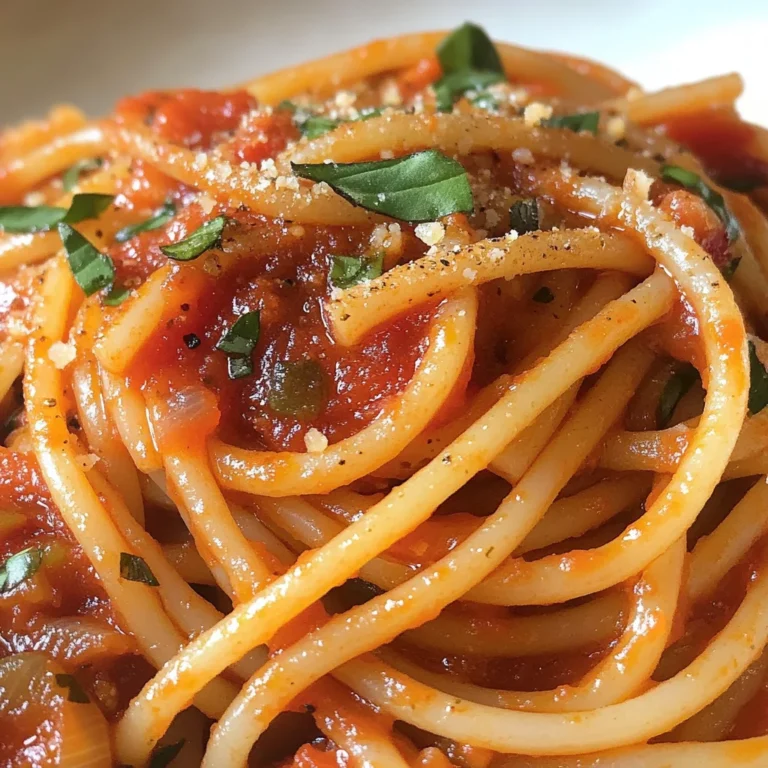
Indulge in the warm, inviting aroma of homemade spaghetti sauce simmering on your stove, filling your kitchen with rich, savory notes. Each bite brings a comforting blend of tomatoes, herbs, and garlic that dances on your palate. This classic sauce is not only simple to make but also easily customizable with your favorite vegetables or proteins.
- Total Time: 40 minutes
- Yield: 4 servings
Ingredients
- 4 cups crushed tomatoes
- 1 cup diced onion
- 2 cloves garlic (minced)
- 1 tablespoon olive oil
- 1 teaspoon dried oregano
- 1 teaspoon dried basil
- Salt and pepper (to taste)
- 1 teaspoon sugar (optional)
Instructions
- In a large pot, heat the olive oil over medium heat. Add the diced onions and cook until translucent, about 5 minutes, stirring occasionally to prevent sticking.
- Stir in the minced garlic and cook for another minute until fragrant, being careful not to let it brown.
- Pour in the crushed tomatoes and stir everything together until well mixed; you should see the vibrant red color combining beautifully.
- Add oregano, basil, salt, pepper, and sugar if desired. Stir well and let it simmer on low heat for about 30 minutes while stirring occasionally.
- After simmering, taste your sauce and adjust seasonings as needed. If it's too thick for your liking, add water bit by bit to reach your desired consistency.
- Prep Time: 10 minutes
- Cook Time: 30 minutes
- Category: Main
- Method: Simmering
- Cuisine: Italian